Why a Bottle Shop in Okinawa Sells Kombu
A small Okinawan bottle shop explains what dashi is, why umami synergy is fussier than it sounds, and how kombu became Okinawan food along the Kombu Road.
ARTICLES
A small Okinawan bottle shop explains what dashi is, why umami synergy is fussier than it sounds, and how kombu became Okinawan food along the Kombu Road.
“Too alcoholic.” “Too spicy.” “Add too much and everything tastes like koregusu.” All fair criticisms. But shima tōgarashi steeped in awamori does something specific once it hits a hot bowl — a shop in Yomitan, Okinawa looks at how those few drops actually work.
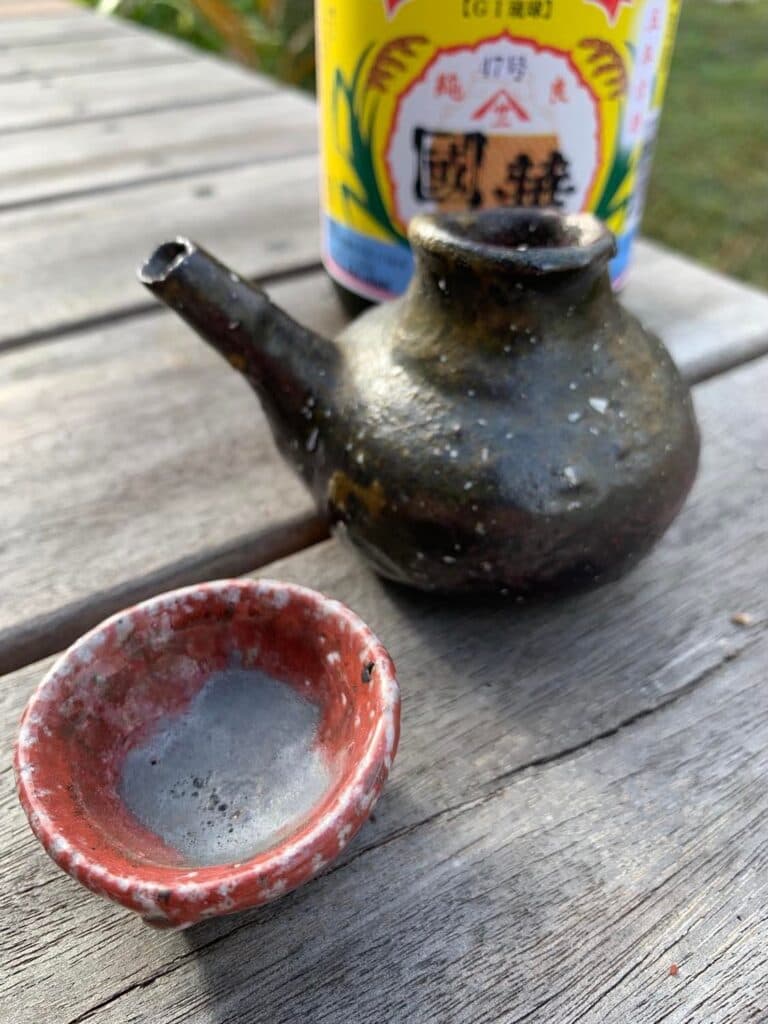
Sake and awamori both start with rice, but one is pressed and the other distilled. That single step decides what stays in the bottle — and shapes taste, aroma, aging, and how each behaves in the kitchen.
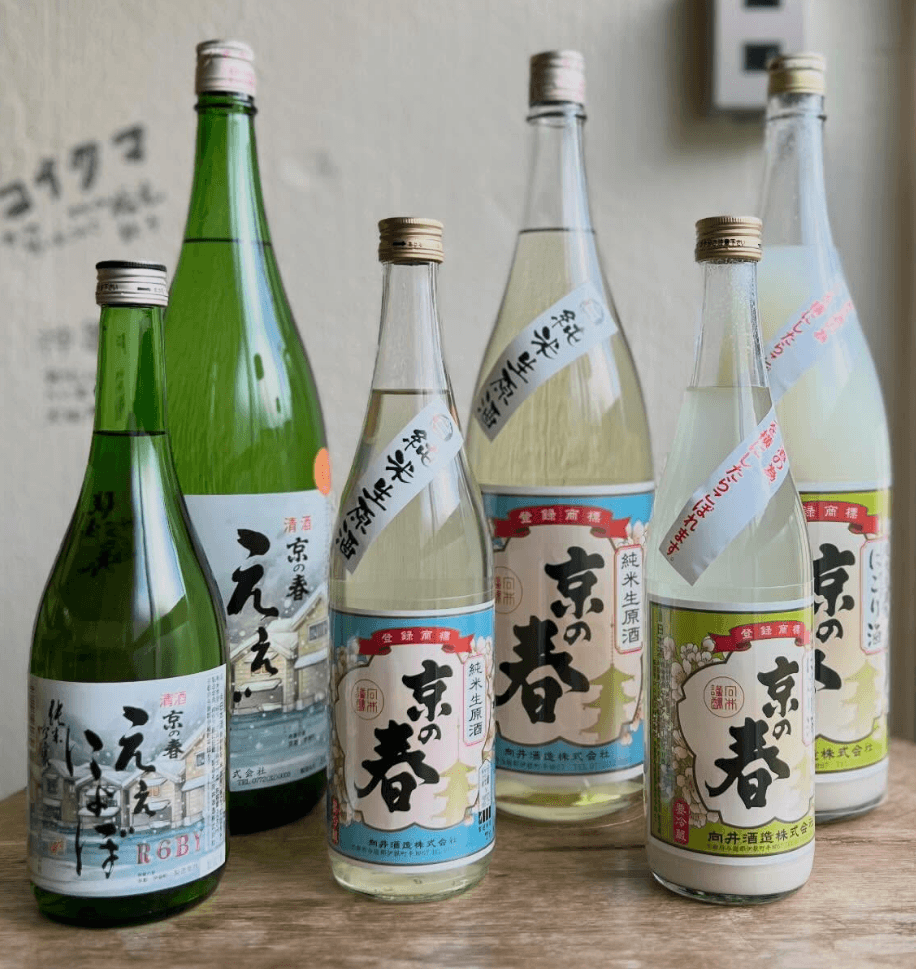
Sake 101 from a small shop in Okinawa: what sake actually is, what the eight label grades do and don’t tell you, and how to choose a first bottle.
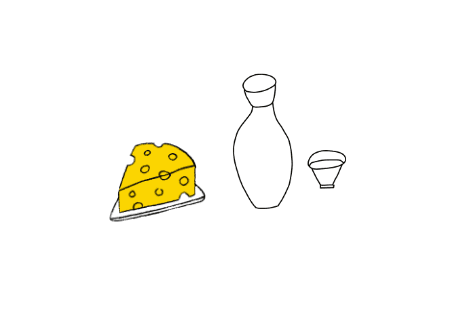
Cheese and sake are not simply “both fermented.” What they share is a history of proteins broken down. On continuity of umami, why blue cheese may amplify the sake beside it, temperature as a tool, and when similar aromas work against you.
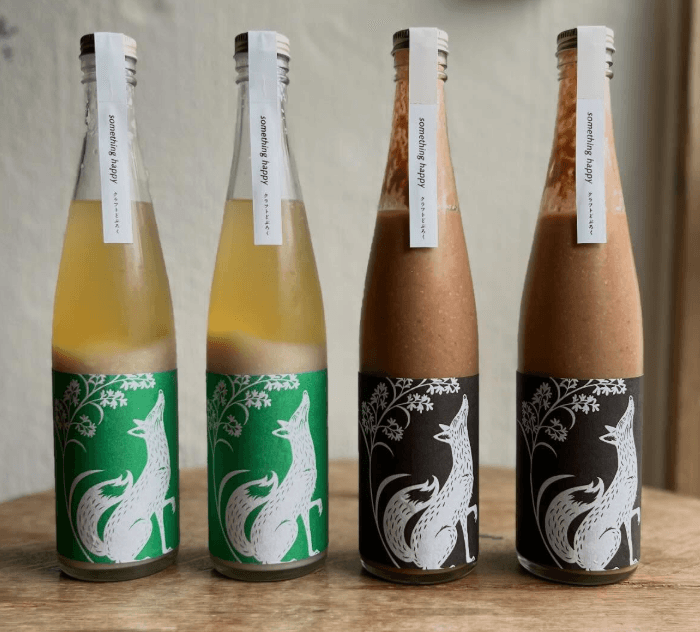
In Japan, new sake brewing licences are effectively closed, and a generation of brewers built a new genre inside a different tax category. Here is what Trad Sake and Craft Sake actually mean, and how to choose between them.
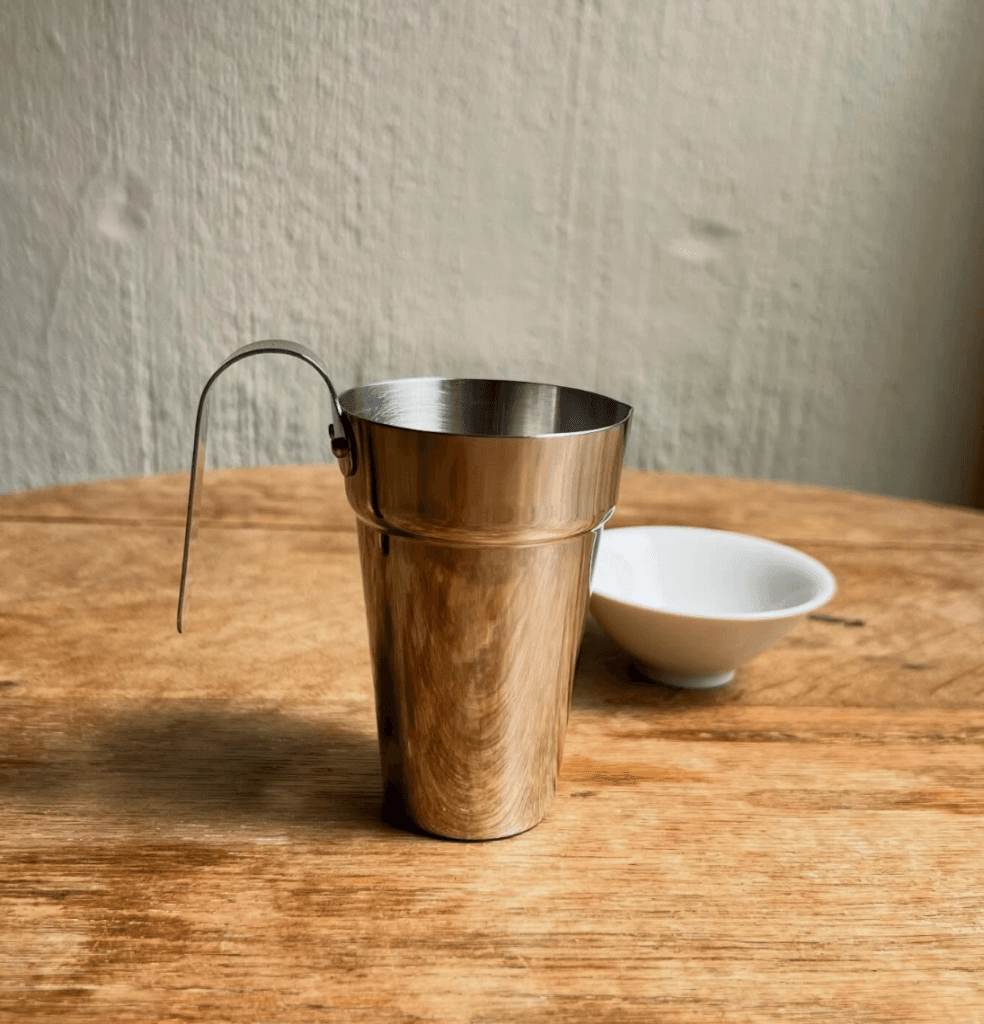
Some evenings call for a glass of well-chilled sake. On others, the warmth rising from dinner makes you want t […]
Nagahama 88 is a small wine and sake shop in Yomitan, Okinawa. We specialize in natural wine and junmai sake, […]